

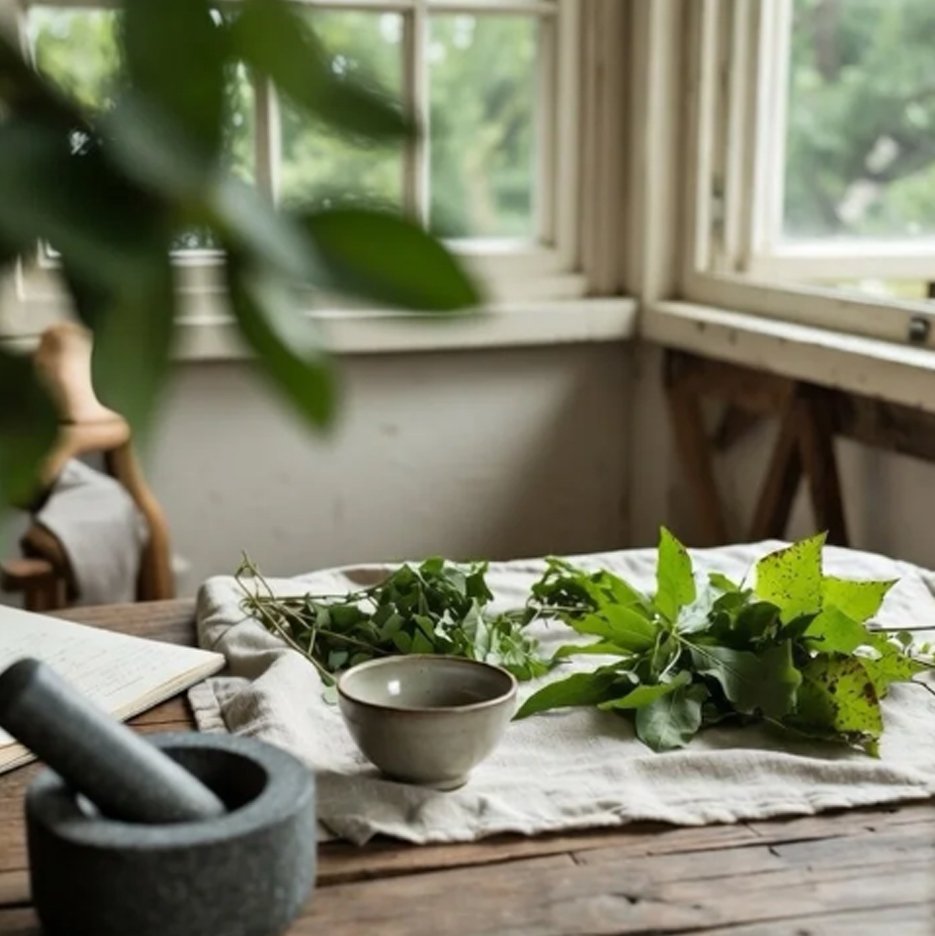
Understanding how traditional plant use fits into wellness, culture, and modern perspectives
Reading time: 8–9 minutes
Edited by: Wellora Naturals
A long-standing relationship between people and plants
Herbal remedies are often discussed today in the context of trends, wellness movements, or alternative lifestyles. Yet their origins are far older and far more practical. Long before modern healthcare systems existed, people relied on plants as part of everyday living—for nourishment, comfort, rituals, and seasonal balance.
This relationship did not develop from theory alone. It emerged through observation: noticing how certain plants affected digestion, sleep, skin, or energy when used repeatedly over time. Knowledge was shared within families and communities, refined through experience rather than experimentation in controlled settings.
For this reason, herbal remedies were never designed to deliver instant or dramatic outcomes. They were meant to support daily life gradually. Understanding this context helps set realistic expectations and provides a foundation for answering a basic but important question: what exactly are herbal remedies?
To clarify that, it helps to begin with a clear and simple definition.
What are herbal remedies?
Herbal remedies are preparations made from plants or specific parts of plants, including leaves, flowers, roots, seeds, or bark. They are traditionally used to support general well-being, comfort, or balance rather than to diagnose, treat, or cure medical conditions.
These remedies can take many forms, such as:
- Herbal teas and infusions
- Decoctions made by simmering plant material
- Powders from dried plants
- Oils, salves, or balms used externally
What distinguishes herbal remedies from pharmaceutical products is their purpose and framework. They are rooted in tradition and lifestyle practices rather than standardized medical treatment. This distinction is essential for beginners, as it shapes how herbal remedies should be understood and used.
Defining herbal remedies clearly also raises another important question: where did these practices originate, and why are they still used today?
Exploring their historical background provides important context.
A brief history of traditional plant use
The use of plants for wellness spans thousands of years and appears in nearly every culture. Ancient texts, oral traditions, and archaeological findings document plant use in regions such as Asia, Africa, Europe, and the Americas.
Different cultures developed their own systems based on local plants and environments. Knowledge was passed down through generations, often integrated into cooking, ceremonies, and seasonal routines. These systems evolved slowly, adapting as people observed patterns across time.
Unlike modern science, which seeks to isolate variables, traditional herbal knowledge focused on the whole person and their environment. While some of these practices have since been studied scientifically, many remain valued for their cultural and experiential significance.
Understanding this history explains why herbal remedies continue to attract interest today. They represent continuity rather than innovation. With that background in mind, it becomes easier to understand how herbal remedies are actually prepared and used.
Common forms of herbal remedies
Herbal remedies are prepared in various ways depending on the plant part used and the intended application. Each form reflects traditional methods designed to extract plant compounds gently.
Infusions (Herbal Teas)
Infusions are made by steeping soft plant parts such as leaves or flowers in hot water. This is the most familiar and accessible form, often used daily.
Decoctions
Decoctions involve simmering tougher plant parts like roots or bark for longer periods. This method is traditionally used when compounds require more heat to be released.
Powders and Capsules
Plants can be dried and ground into powders, sometimes placed into capsules for convenience. While common today, this form is more modern than traditional.
Topical Preparations
Some herbs are infused into oils and applied externally as part of skin or body care routines. Each preparation method influences how herbal remedies fit into daily life. Once the forms are understood, many beginners want to know which plants are most commonly used.
Commonly known herbs and their traditional roles
Certain herbs appear repeatedly across cultures due to their availability and versatility. These plants are often familiar because they are also used in food and beverages.
Examples include:
- Chamomile, traditionally used in calming rituals
- Peppermint, commonly prepared as a digestive tea
- Ginger, widely used in cooking and traditional preparations
- Turmeric, historically valued in culinary and cultural practices
These herbs are often recommended for beginners because their traditional use is well-documented and they are easy to prepare. Familiarity reduces the learning curve and encourages mindful use.
Understanding individual herbs also highlights how herbal remedies are usually integrated into routines rather than used sporadically. This leads naturally to exploring how herbal remedies fit into everyday wellness.
Herbal remedies as part of daily routines
Herbal remedies are rarely used in isolation. Traditionally, they are woven into daily habits drinking tea in the evening, cooking with herbs, or applying infused oils as part of self-care.
This routine-based use emphasizes consistency rather than intensity. The goal is not to force change but to create supportive conditions over time. Effects, when noticed, tend to be subtle and cumulative.
Modern wellness perspectives increasingly align with this approach, recognizing the value of habits and environment in shaping well-being. However, understanding their role also requires recognizing what herbal remedies are not meant to do.
Understanding the limits of herbal remedies
Herbal remedies are sometimes misunderstood due to marketing or misinformation. Traditional use does not guarantee effectiveness for everyone, and results can vary widely.
Important limitations include:
- Not all herbs affect everyone the same way
- Traditional use does not equal scientific validation
- Effects are often gradual rather than immediate
Recognizing these limits helps prevent unrealistic expectations. Herbal remedies are best viewed as supportive elements within a broader lifestyle rather than solutions on their own. Acknowledging these boundaries makes safety an essential topic.
Safety and responsible use
Although herbs are natural, they are biologically active. Responsible use involves awareness rather than avoidance.
Key safety considerations include:
- Introducing one herb at a time
- Being mindful of interactions with medications
- Choosing reputable sources
- Paying attention to individual responses
Education-focused organizations such as the National Institutes of Health and the World Health Organization emphasize that “natural” does not automatically mean risk-free. Safety is not about fear; it is about informed decision-making. Once safety is understood, product quality becomes the next concern.
How to choose quality herbal products
Not all herbal products are created equal. Factors such as sourcing, processing, and storage influence consistency and reliability.
When selecting products, look for:
- Clear labeling of plant names
- Minimal additives
- Transparent sourcing information
Avoid products that promise guaranteed or dramatic results. Reliable brands tend to focus on education rather than persuasion. With quality products selected, beginners often wonder how to start simply.
How beginners can approach herbal remedies
Starting with herbal remedies does not require complexity. A gradual approach allows learning without pressure.
Beginner-friendly steps include:
- Choose one familiar herb
- Use simple preparations like tea
- Maintain consistency
- Observe rather than evaluate outcomes
This approach mirrors traditional knowledge-building, which relied on patience and observation rather than rapid results.
As confidence grows, questions about science and tradition often arise.
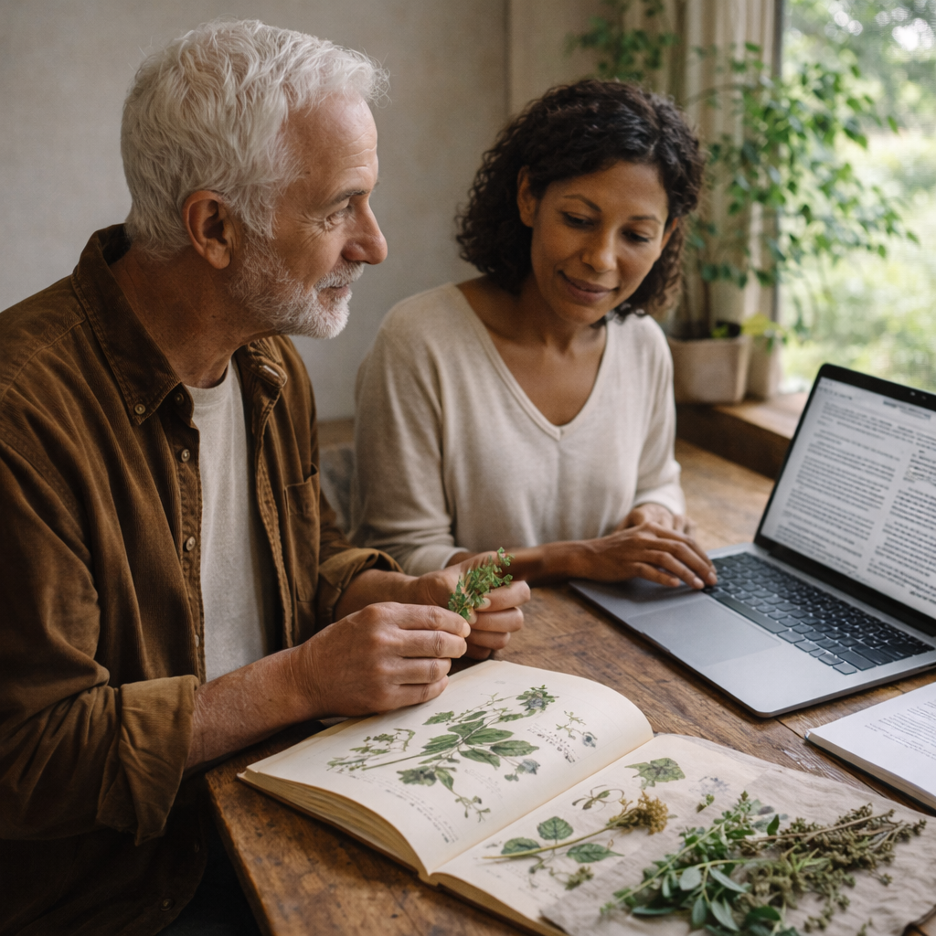
Traditional knowledge and modern science
Modern research has begun examining many plants used traditionally. Scientific studies often focus on isolated compounds, while traditional use considers the whole plant and context.
Both perspectives offer value, but they serve different purposes. Science seeks measurable outcomes; tradition reflects long-term experience.
For beginners, understanding this distinction helps avoid confusion and unrealistic expectations.
This balanced view leads naturally to a thoughtful conclusion.
Final thoughts: a grounded understanding of herbal remedies
Herbal remedies represent a long-standing relationship between humans and plants. They are not shortcuts or substitutes for medical care, but supportive practices shaped by culture, observation, and routine.
Approached with education and balance, herbal remedies can become part of a thoughtful lifestyle that values consistency over control. Their true value lies not in promises, but in understanding.
Transition to continued learning: Exploring individual herbs and preparation methods is often the next natural step for those who wish to deepen their knowledge responsibly.
Sources
- National Institutes of Health
- World Health Organization
- National Center for Complementary and Integrative Health
Frequently Asked Questions About Mental Wellness
1. What exactly are herbal remedies?
Herbal remedies are preparations made from plants or plant parts such as leaves, flowers, roots, or bark. They are traditionally used to support general well-being and daily balance rather than to diagnose or treat medical conditions.
2. How are herbal remedies different from medicine?
Herbal remedies are based on traditional and cultural practices, while modern medicine relies on standardized testing and regulated treatments. Herbal remedies are generally used as supportive lifestyle practices rather than clinical interventions.
3. Are herbal remedies supported by scientific evidence?
Some herbal remedies have been studied scientifically, while others are supported mainly by long-standing traditional use. Research suggests that effects can vary, and herbs are typically viewed as complementary rather than definitive solutions.
4. Are herbal remedies safe to use?
Many herbal remedies are considered gentle when used appropriately, but safety depends on the plant, preparation method, and individual factors. Introducing one herb at a time and choosing reputable sources helps reduce unnecessary risks.
5. Can herbal remedies replace medical treatment?
Herbal remedies are not intended to replace professional medical care. They are commonly used alongside modern healthcare as part of a balanced lifestyle, not as substitutes for diagnosis or treatment.
6. How should beginners start using herbal remedies?
Beginners are often advised to start with familiar herbs in simple forms such as teas. A gradual, consistent approach allows individuals to observe how their body responds without pressure or complexity.
7. Are all “natural” herbal products safe?
No. Even natural products can vary in quality and may cause side effects or interactions. Reading labels carefully and avoiding products with exaggerated claims is an important part of responsible use.
