

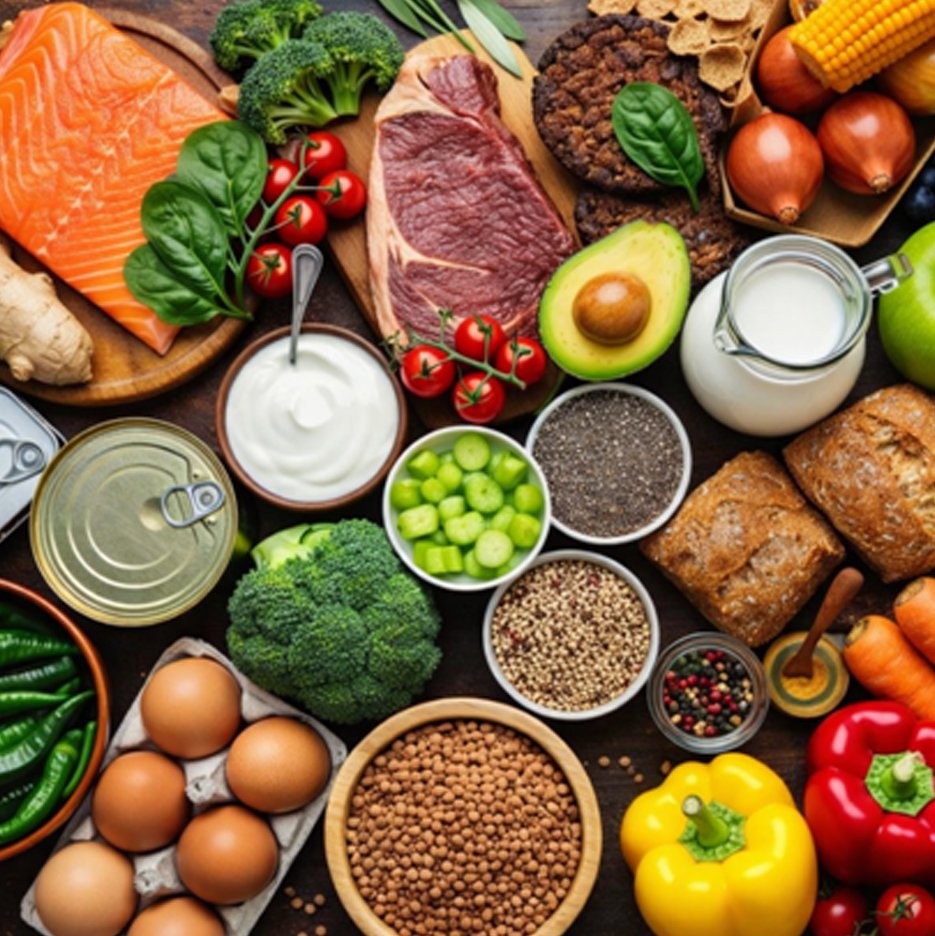
Understanding how whole, nutrient-dense foods support the body’s natural processes, daily energy balance, and long-term wellness
Reading time:10–12 minutes
Edited by:Wellora Naturals
A shift from restriction to nourishment
The idea of “healing foods” has become increasingly visible in conversations about nutrition and wellness. Often, the term is used loosely, suggesting that certain foods can fix, cure, or reverse health concerns on their own. This framing can create confusion and unrealistic expectations.
In reality, healing foods are not magic solutions. They are best understood as nutrient-dense, minimally processed foods that provide the body with the raw materials it needs to function, adapt, and maintain balance. Rather than acting as treatments, these foods support the body’s existing systemsdigestion, metabolism, immunity, and cellular repairthrough consistent nourishment.
This perspective shifts the focus away from control and restriction and toward support and sufficiency. Instead of asking which foods to avoid at all costs, the question becomes how to nourish the body in ways that promote resilience over time.To understand this approach fully, it helps to first clarify what “healing foods” actually mean in a nutritional context.
What does “healing foods” really mean?
In nutrition science, the term “healing foods” does not refer to a formal category. Rather, it is a descriptive concept used to highlight foods that are rich in vitamins, minerals, fiber, healthy fats, and bioactive compounds that contribute to normal physiological function.
These foods support processes such as:
- Tissue maintenance and renewal
- Hormonal signaling
- Immune system activity
- Energy production
- Inflammatory balance
Importantly, they do not work in isolation. Their impact depends on overall dietary patterns, lifestyle habits, and individual needs. A single food cannot compensate for chronic stress, poor sleep, or long-term nutritional imbalance.
Understanding healing foods as contributors, not cures, allows for a more grounded and sustainable approach to eating. This leads naturally to a closer look at what makes a food nutrient-dense in the first place.
Nutrient density: the foundation of healing nutrition
Nutrient density refers to the amount of essential nutrients a food provides relative to its calorie content. Foods considered nutrient-dense deliver vitamins, minerals, and beneficial compounds without excessive added sugars, refined starches, or industrial additives.
Examples of nutrient-dense foods include:
- Vegetables and fruits in their whole form
- Legumes, nuts, and seeds
- Whole grains
- Eggs, fish, and minimally processed animal foods
- Fermented foods prepared traditionally
These foods supply the body with building blocks it cannot manufacture on its own. Over time, regular intake supports metabolic efficiency, digestive comfort, and stable energy levels.
In contrast, diets dominated by ultra-processed foods may provide sufficient calories but limited micronutrition. This imbalance can increase cravings, fatigue, and nutritional gaps, even when total food intake appears adequate.
Recognizing the role of nutrient density helps clarify why healing foods are less about specific ingredients and more about patterns of eating, which brings us to how these foods support the body’s natural systems.
How healing foods support the body’s natural processes
The human body is designed to constantly adapt. Every day, cells are repaired, enzymes are produced, and energy is generated. These processes rely on nutrients obtained from food.
Healing foods may support these systems by:
- Providing antioxidants that help manage oxidative stress
- Supplying amino acids for tissue maintenance
- Offering fiber that supports digestive function
- Delivering healthy fats involved in hormone production
Organizations such as the National Institutes of Health emphasize that overall dietary quality plays a central role in long-term health outcomes. No single nutrient or food acts independently; rather, it is the synergy of nutrients consumed consistently that matters most.
This understanding encourages moving away from food rules and toward dietary patterns that emphasize variety and adequacyan approach that becomes especially relevant when examining inflammation and balance.
Healing foods and inflammatory balance
Inflammation is a normal and necessary biological response. It helps the body respond to injury and stress. However, when inflammatory processes remain elevated for long periods, they may interfere with normal metabolic and immune function.
Certain dietary patternsparticularly those high in refined carbohydrates, industrial fats, and low in fiber—are associated with markers of chronic inflammation. In contrast, diets rich in whole foods, vegetables, fruits, and healthy fats are often associated with more balanced inflammatory responses.
Healing foods may contribute to this balance by:
- Supporting gut microbiome diversity
- Providing polyphenols and antioxidants
- Reducing reliance on highly processed ingredients
The gut as a gateway to nourishment
Healing foods that support gut function include:
- Vegetables with diverse fibers
- Legumes and whole grains
- Yogurt, kefir, sauerkraut, and other fermented foods
- Nuts and seeds
When digestion is supported, the body is better equipped to utilize nutrients efficiently. This can influence energy levels, appetite regulation, and overall well-being.
Because digestion is closely connected to daily energy, it naturally leads to a discussion of how healing foods relate to sustained vitality.
Healing foods and daily energy levels
Unlike quick-energy foods that cause spikes and crashes, nutrient-dense meals tend to support steady energy availability. Protein, fiber, and healthy fats slow digestion and help stabilize blood sugar levels.
Rather than stimulating the nervous system, healing foods support energy by:
- Reducing extreme hunger signals
- Supporting mitochondrial function
- Helping regulate appetite hormones
This approach contrasts with diets that rely heavily on stimulants or severe restriction, which can strain metabolic systems over time.
Energy stability also influences mental clarity and emotional regulation, making the connection between healing foods and mental well-being especially important.
Nutrition, healing foods, and mental well-being
The brain is highly sensitive to nutrient availability. Micronutrients such as B vitamins, magnesium, iron, and omega-3 fatty acids play roles in neurotransmitter production and nervous system signaling.
Research summarized by the American Psychological Association highlights the relationship between dietary patterns, stress regulation, and emotional resilience. While food alone cannot address mental health concerns, consistent nourishment may support cognitive function and emotional balance.
Healing foods contribute by:
- Supporting blood sugar stability
- Reducing nutritional stress on the nervous system
- Providing nutrients involved in brain metabolism
Healing foods as part of a sustainable lifestyle
One of the most important aspects of healing foods is sustainability. A diet that feels restrictive, complicated, or socially isolating is difficult to maintain long term.
A practical healing foods approach emphasizes:
- Flexibility rather than rigid rules
- Cultural and personal food preferences
- Consistency over intensity
Meals do not need to be perfect. What matters is the overall pattern across days and weeks. Small, repeatable habits tend to have a greater impact than short-term dietary overhauls.
This perspective reframes healing foods not as a diet, but as a supportive frameworkthat adapts to real life.
Common misconceptions about healing foods
Several misunderstandings can limit the effectiveness of this approach:
- Believing certain foods can “detox” the body
- Assuming more restriction equals better results
- Viewing healing foods as expensive or inaccessible
- Expecting immediate physical changes
In reality, the body already has detoxification systems, healing foods exist at many price points, and meaningful change often occurs gradually.
Clearing these misconceptions helps set realistic expectations and supports a healthier relationship with food.
Rethinking healing foods as nutritional support
Healing foods are best understood as tools, not solutions. They work by supplying the body with consistent nourishment, allowing natural regulatory systems to function effectively.
Rather than focusing on control, this approach emphasizes:
- Adequacy instead of deprivation
- Variety instead of elimination
- Support instead of pressure
Over time, these signals influence how the body manages energy, appetite, and resilience.

In summary
Healing foods are not about curing or fixing the body. They are about providing the nutrients required for normal function, adaptation, and balance. By prioritizing whole, nutrient-dense foods, individuals create conditions that support digestion, metabolism, mental clarity, and long-term wellness
This approach values patience, consistency, and realism. Instead of forcing outcomes, it supports the body’s natural capacity to regulate and maintain health over time.
Sources
- National Institutes of Health
- American Psychological Association
FAQ
1️⃣ What are healing foods in nutrition?
Healing foods are nutrient-dense, minimally processed whole foods that support the body’s natural functions such as digestion, metabolism, immune balance, and cellular repair. They are rich in vitamins, minerals, fiber, antioxidants, and healthy fats. Rather than curing diseases, healing foods contribute to long-term wellness by improving overall dietary quality and nutritional adequacy.
2️⃣ What makes a food nutrient-dense?
A nutrient-dense food provides a high concentration of essential nutrients relative to its calorie content. Examples include leafy greens, legumes, berries, nuts, seeds, eggs, fish, and whole grains. These foods supply fiber, protein, healthy fats, antioxidants, and micronutrients without excessive added sugars or refined ingredients.
3️⃣ Can healing foods reduce inflammation naturally?
Certain whole-food dietary patterns rich in vegetables, fruits, omega-3 fats, and fiber are associated with balanced inflammatory responses. While no single food eliminates inflammation, a consistent intake of anti-inflammatory whole foods may support metabolic balance and immune function over time.
4️⃣ Are healing foods good for gut health?
Yes. Many healing foods support digestive health and gut microbiome diversity. Fiber-rich vegetables, legumes, whole grains, yogurt, kefir, and fermented foods help nourish beneficial gut bacteria and improve nutrient absorption. A balanced gut environment plays a central role in energy regulation and immune resilience.
5️⃣ Do healing foods improve energy levels?
Healing foods promote stable daily energy by combining protein, fiber, and healthy fats. Unlike highly refined carbohydrates that cause energy spikes and crashes, nutrient-dense meals help stabilize blood sugar levels and support mitochondrial energy production.
6️⃣ Are healing foods expensive or hard to access?
Healing foods do not require specialty products. Affordable options include beans, lentils, oats, eggs, seasonal vegetables, frozen fruits, canned fish, and whole grains. Nutrient-dense eating is more about food quality and consistency than luxury ingredients.
7️⃣ Can healing foods support mental well-being?
Research suggests that overall dietary quality influences brain function, mood regulation, and stress resilience. Nutrients such as B vitamins, magnesium, iron, and omega-3 fatty acids play roles in neurotransmitter activity. While healing foods are not treatments, consistent nourishment supports cognitive clarity and emotional balance.
